Education can shape a person’s future, strengthen families and create more resilient communities. Yet around the world, millions of children and adults still lack access to quality education or the foundational literacy skills needed to fully benefit from it.
The global literacy crisis is not limited to children who never attend school. Many children spend years in classrooms without learning to read and understand a simple, age-appropriate text. This is often referred to as “learning poverty”, highlighting the difference between having access to a classroom and actually gaining essential skills.
In 2024, an estimated 754 million adults worldwide remained illiterate, with women representing approximately 63% of this total. Meanwhile, 272 million children and young people were out of school in 2023. These figures demonstrate the scale of the challenge facing communities around the world.
The United Nations recognizes quality education as Sustainable Development Goal 4. Achieving this goal requires more than getting children through the school doors. Students need effective teachers, suitable learning materials, safe environments and support that enables them to remain engaged with their education.
Why Access to Education Matters
The value of education reaches far beyond academic achievement. Learning can influence a person’s health, income, confidence, independence and ability to participate in their community.
The World Bank estimates that around seven in ten children in low- and middle-income countries cannot read and understand a simple text by age 10. Without foundational literacy, children may struggle across other areas of their education and face greater challenges as they progress through school.
Literacy also helps people understand important information and make informed decisions in everyday life. Being able to read can affect everything from finding employment and understanding health guidance to managing finances and accessing public services.
The importance of knowledge is also emphasized in the Quran:
Education can therefore be viewed as much more than preparation for a career. It can help individuals develop their abilities, understand their responsibilities and make meaningful contributions to their families and communities.
Education Can Help Break the Cycle of Poverty
Poverty and limited access to education can reinforce each other. Families facing financial hardship may find it difficult to cover the costs associated with school, while children who receive limited education may have fewer opportunities for secure employment later in life.
Globally, each additional year of schooling is associated with approximately a 9% increase in hourly earnings. Expanding access to secondary education could also have a substantial impact on poverty reduction worldwide.
Literacy provides an important foundation for these opportunities. People who can read and understand information are better equipped to apply for jobs, manage money, understand legal documents and access essential services.
The benefits can continue from one generation to the next. A child who receives a quality education may have better employment prospects as an adult and be better positioned to support their own children’s education and wellbeing.
For this reason, addressing barriers to education is also an important step towards addressing poverty.
Literacy, Health and Family Wellbeing
Education can have a significant impact on health and family wellbeing.
Literacy helps people understand health information, follow medical advice and make informed choices about nutrition, hygiene and preventative care. These benefits can be particularly important for women and mothers.
Education can also help women make informed choices about family planning and healthcare while supporting their children’s wellbeing and education.
These outcomes show why the impact of education can extend well beyond the individual student. When one person gains knowledge and skills, their family and wider community may benefit as well.
Education and Equality for Girls and Women
Girls and women continue to face educational barriers in many parts of the world.
Women account for approximately 63% of adults who remain illiterate globally. Closing this gap is essential to creating greater equality and ensuring girls have opportunities to develop their skills and pursue their aspirations.
Education can provide girls with greater knowledge about their health, rights and economic opportunities. It can also strengthen their participation in decisions within their households and communities.
The United Nations recognizes education as a key driver of gender equality. Increased educational opportunities are associated with lower rates of early marriage and teenage pregnancy, while also supporting greater participation by women in economic, social and political life.
When girls receive a quality education, the benefits can extend to their future children and communities. Education can help create healthier families, greater economic security and stronger participation in society.
Education, Peace and Stronger Communities
Education can contribute to communities that are more connected, peaceful and resilient.
Quality education encourages critical thinking, civic participation and the ability to understand different perspectives. These skills can help people engage constructively with others and make informed decisions about issues affecting their communities.
The need for educational continuity becomes particularly important during conflict and displacement. When children are forced from their homes, their schooling may be interrupted alongside almost every other aspect of their daily lives.
Maintaining access to learning during a crisis can provide children with routine and stability while protecting their longer-term opportunities. Without continued education, learning gaps can widen and children may find it harder to return to school later.
For children experiencing conflict, displacement or humanitarian emergencies, education can therefore provide more than academic learning. It can offer a sense of normalcy, hope and connection to a future beyond the immediate crisis.
Removing the Barriers to Learning
There is no single cause behind the global literacy crisis. Poverty, conflict, displacement, limited educational resources and ineffective teaching can all affect whether a child has the opportunity to learn.
For some families, the obstacles are very practical. School fees, uniforms, backpacks, supplies and food can all represent significant expenses for households already struggling to meet basic needs.
A child may be eager to learn but still find themselves unable to attend school or fully participate because of circumstances outside their control.
Practical support can help address some of these challenges.
A backpack and school supplies can help a student arrive prepared to learn. A school uniform can provide a sense of dignity and belonging. Help with school fees can make continued attendance possible, while food assistance can help ensure hunger does not stand between a child and their education.
Removing these barriers is not simply about providing individual items. It is about helping children access an opportunity that can influence the course of their lives.
Learning Through the Example of the Ahlulbayt (as)
The pursuit of knowledge has a significant place within Islamic teachings. Learning can help a person develop their understanding, character and ability to fulfil their responsibilities towards Allah (swt) and others.
Prophet Muhammad (saww) is reported to have said,
“Seeking knowledge is an obligation on every Muslim. Indeed how Allah (swt) loves those who strive in
their quest for knowledge.” (al-Kafi, v.1, p.30, n.1)
This teaching reflects the importance Islam places on seeking knowledge. Supporting access to education can therefore help give people the opportunity to pursue learning, develop their potential and contribute to those around them.
For children living in poverty or facing humanitarian crises, keeping education within reach can help ensure that their future is not defined by circumstances beyond their control.
How Can We Help Address the Global Literacy Crisis?
Tackling the global literacy crisis requires sustained action. Governments and education systems have an important role in investing in teachers, effective teaching methods, learning materials and safe schools. Charities, communities and individuals can also help address the immediate barriers facing vulnerable children.
Foundational literacy deserves particular attention because reading and comprehension provide the basis for learning in almost every subject. When children fall behind during their early years, catching up can become increasingly difficult.
Practical assistance can help families manage some of the pressures associated with education. Support for school essentials, school fees and child food aid can help create conditions in which children are better able to attend school and focus on learning.
By addressing both educational and basic needs, we can help vulnerable children have a fairer opportunity to benefit from their education.
Every Future Begins with a Chance to Learn
The scale of the global literacy crisis can be difficult to comprehend, but behind every statistic is a real person whose future can be affected by access to education.
A child should not have to choose between learning and having their basic needs met. A school uniform, backpack, school fee or daily meal may seem like a small thing, but for a child facing hardship, these essentials can make a meaningful difference.
Removing barriers can help children enter the classroom with confidence and dignity. It can also give them the foundation they need to pursue opportunities later in life.
Through your support, The Zahra Trust can help remove barriers to learning by supporting back-to-school essentials, school fees and child food aid.
Every child deserves the chance to learn. Help remove the barriers standing between a child and their education, and give them the opportunity to begin their school year with dignity, confidence and hope.
Frequently Asked Questions
What is the global literacy crisis?
The global literacy crisis is the worldwide challenge of children and adults not having the reading and writing abilities they need for everyday life. It includes people who have never had meaningful access to education, as well as students who attend school but do not gain essential foundational literacy skills.
Why is access to education important?
Education gives people the opportunity to develop knowledge, skills and greater independence. Quality learning can open pathways to employment, support better health and wellbeing, promote equality and give individuals and communities greater opportunities to move beyond poverty.
How does literacy help reduce poverty?
Strong literacy skills can make it easier for people to find and maintain employment, understand financial information, navigate important documents and access essential services. Education can also improve earning potential, helping families build greater financial stability over time.
Why are girls’ education and women’s literacy important?
When girls have access to education, the benefits can extend across their families and communities. Learning can improve health and economic outcomes, strengthen women’s ability to make decisions and help address challenges such as early marriage and teenage pregnancy that can limit future opportunities.
What are the main barriers to education?
Children can face a range of obstacles, including poverty, conflict, displacement, distance from schools and inadequate educational resources. For families under financial pressure, costs such as school fees, uniforms, supplies and food can also make it harder for children to attend and participate fully in school.
How can I help children access education?
You can support The Zahra Trust’s efforts to make education more accessible for children facing hardship. Contributions toward school essentials, school fees and child food aid can help reduce practical barriers and give children a stronger opportunity to attend school, learn and build their future with dignity and confidence.
More from Blog
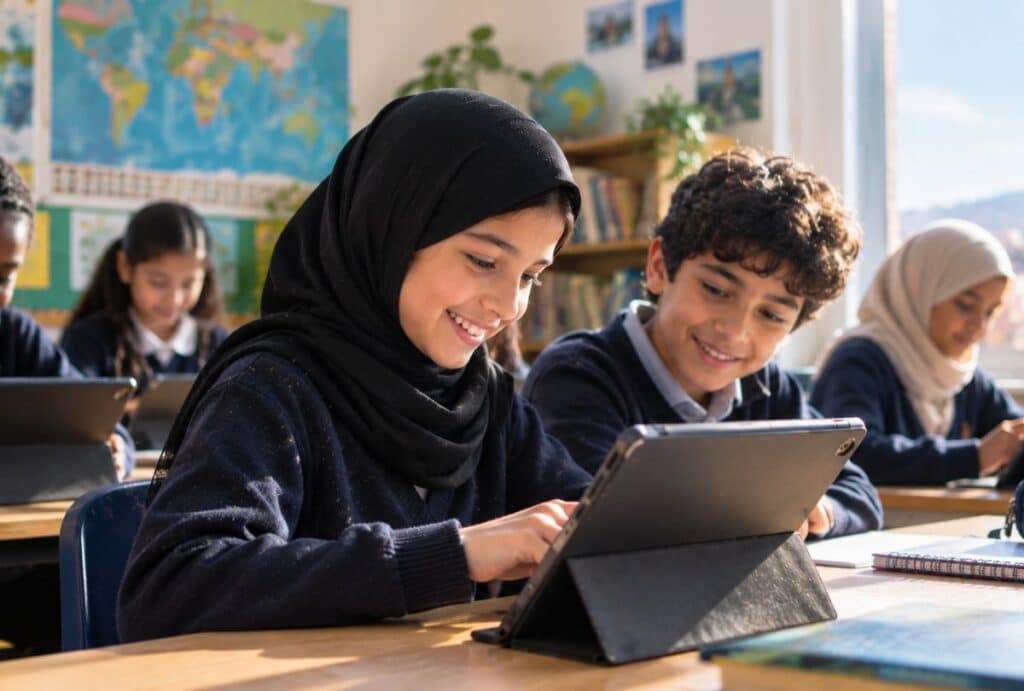
Bridging the Digital Divide Through Education
Explore how technology can make education more accessible and create equal learning opportunities for children. Support digital inclusion and help equip young…
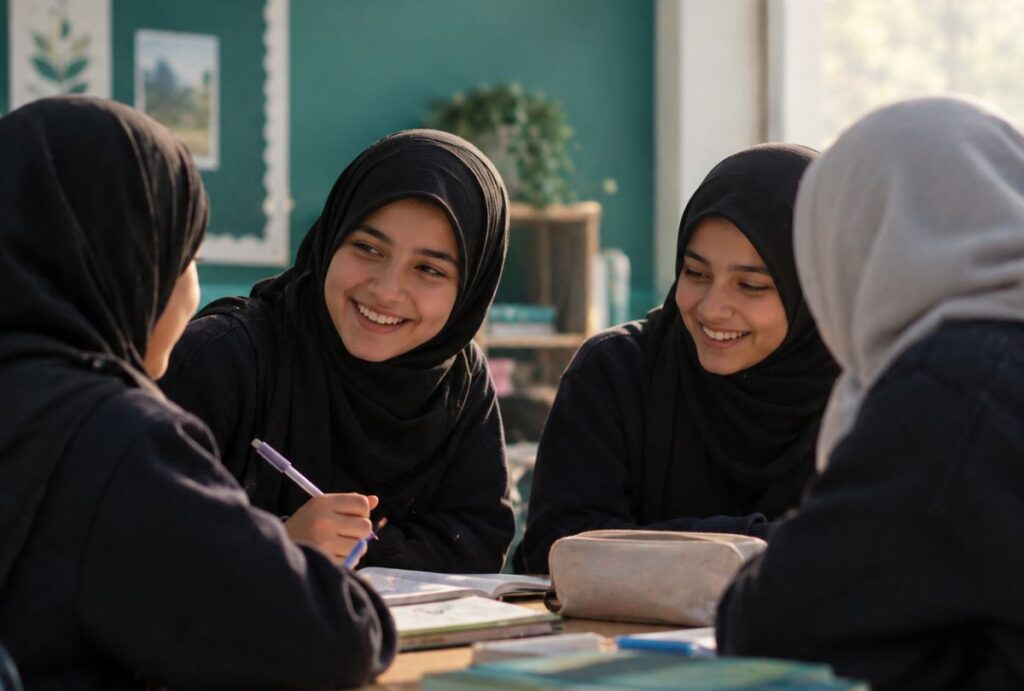
The Future Starts with Education
Help vulnerable children access education, technology and skills for a brighter future. Support The Zahra Trust with a Back to School gift…
Rebuilding Futures Through Education: Restoring Hope, Dignity and Opportunity
When communities experience crisis, the effects can continue long after the immediate hardship has passed. Conflict, poverty, and displacement can interrupt a…