What Are the Sacred Months in Islam, And Why Do They Matter Today?
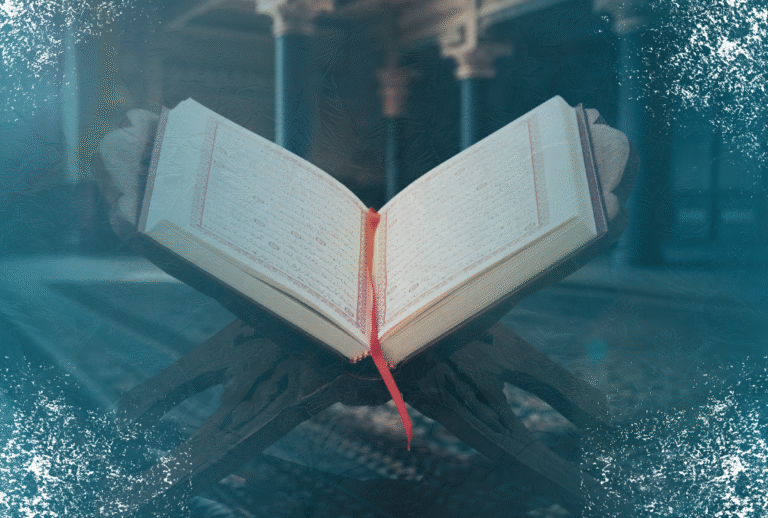
“Surely the number of the months with Allah (swt) is twelve months in Allah’s (swt) ordinance since the day when He created the heavens and the earth. Four of them are sacred months…” (Quran 9:36)
The sacred months in Islam are four significant points in the Islamic calendar.
Allah (swt) set these months apart to encourage believers to embrace peace, humility, and deeper spiritual awareness.
Dhul Qadah, Dhul Hijjah, Muharram, and Rajab have been honoured since ancient times as periods where conflict was set aside, and communities shifted their focus to worship and reflection.
But in our modern context, filled with distractions and challenges, what makes these sacred months so meaningful?
Why Does Our Broken World Need Sacredness?
Around the world, many people across the world are facing serious difficulties, from conflict to food insecurity to displacement.
The challenges are real and often overwhelming.
The sacred months in Islam bring us back to principles that soften the heart and strengthen the soul.
These months encourage:
- Peace rather than tension
- Mercy rather than retaliation
- Restraint rather than reaction
At a time when the world feels heavy, these sacred pauses help us refocus on faith, compassion, and purpose.
Take time this month to slow down. Reflect on your journey.
Bring peace into someone’s life.
How Can We Live in Sacredness?
These months are not meant to be symbolic alone; they are an invitation to transform our inner reflection into meaningful actionThese months aren’t simply symbolic; they’re meant to inspire realThese sacred months call for meaningful action rooted in inner reflection.
The teachings of the Ahlulbayt (as) remind us that compassion isn’t just an idea; it’s something we practise, especially in times when spiritual reward is multiplied.
During the sacred months:
- Helping someone in need carries extra spiritual significance.
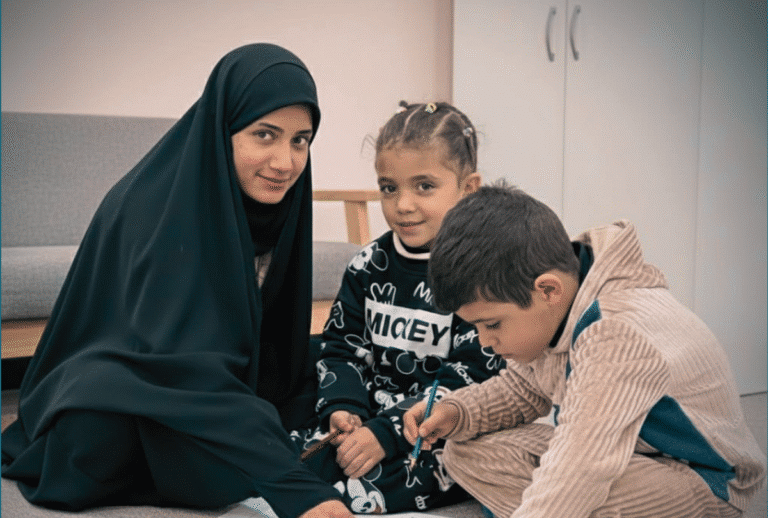
At The Zahra Trust, the generosity of donors across the world has enabled us to reach thousands.
In winter 2024, your contributions helped us support 33,774 people, including:
- 15,620 individuals who received warm meals
- 621 people who were supplied with essential winter clothing
- 73 families who gained new heating systems
Your giving during the sacred months in Islam does more than meet immediate needs; it nurtures hope and strengthens our global community.
How Can I Give Sadaqah in the Sacred Months?
Your chaGiving sadaqah during these holy months offers powerful spiritual reward and practical impact.
Your donation becomes a lifeline for those struggling.
Through your support:
- Widowed mothers are finding pathways toward financial independence
- Orphans are pursuing education with dignity
- Communities facing crisis are rebuilding with courage
This is the heart of The Zahra Trust movement: compassion lived through action.
Let your kindness illuminate someone’s path.
FAQ
The four sacred months in Islam are Dhul Qadah, Dhul Hijjah, Muharram, and Rajab. Allah (swt) identified them as sacred in the Quran (9:36) and encouraged believers to uphold peace, avoid wrongdoing, and increase acts of goodness.
These months were traditionally a time when fighting was prohibited, allowing space for reflection and community stability. Today, Muslims treat them as a chance to deepen faith through worship, charity, and self-improvement.
The Quran states: “Surely the number of the months with Allah (swt) is twelve months in Allah’s (swt) ordinance since the day He created the heavens and the earth. Four of them are sacred…” (Quran 9:36)
Muslims are encouraged to:
- Stay away from harmful actions
- Increase prayer and worship
- Give sadaqah regularly
- Strengthen character and promote peace
Charity in these months is believed to bring greater spiritual reward and helps build a stronger, more compassionate global community.
You can give sadaqah through trusted organizations like The Zahra Trust, ensuring your donation reaches vulnerable individuals and families.