
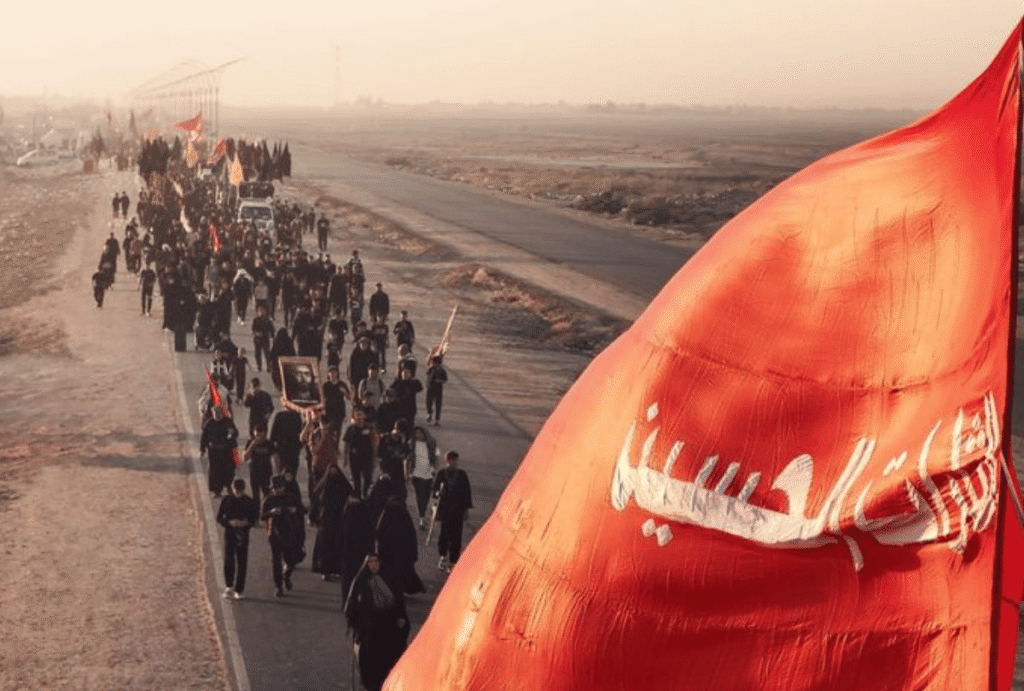
For millions of people across the world, Arbaeen is a time of remembrance that extends beyond mourning and enters daily life through reflection, service, and spiritual renewal.
If you are asking, “What is Arbaeen?”, the answer begins with history but continues through faith, values, and action.
Arbaeen marks the fortieth day after Ashura, the day Imam Hussain (as), grandson of Prophet Muhammad (saww), was martyred in Karbala in 61 AH. Across generations, this remembrance has become one of the most significant annual gatherings in the world and remains deeply connected to devotion to the Ahlulbayt (as).
For many believers, Arbaeen is where remembrance becomes movement and grief becomes renewed purpose.
Understanding the meaning of Arbaeen?
Arbaeen translates literally as “the fortieth”.
Within Islamic tradition, the number forty often represents completion, transition, and spiritual reflection. Arbaeen, therefore, marks forty days after Ashura and signifies the completion of the mourning period.
Yet spiritually, Arbaeen is not viewed as a conclusion.
Rather, it serves as a renewed commitment to the values that Aba Abdillah (as) embodied and protected.
Believers observe this period through prayer, remembrance, learning, and acts of devotion that strengthen their relationship with faith.
The story of Karbala and why it endures
The foundation of Arbaeen lies in the events of Karbala.
Imam Hussain (as) refused allegiance to Yazid because he believed preserving truth and moral responsibility mattered more than political authority.
His decision led him, his family, and his companions to Karbala, where they faced immense hardship and were ultimately martyred.
For Shia Muslims, this event became more than history.
Karbala came to symbolize sacrifice for principle, commitment to truth, and the courage to uphold values under pressure.
Arbaeen developed as an enduring remembrance so that those lessons would never be forgotten.
Love for the Ahlulbayt (as) and the spiritual meaning of Arbaeen
The remembrance of Arbaeen is deeply connected to devotion toward the Ahlulbayt (saww).
The Quran states:
For many believers, this verse reflects a relationship that goes beyond affection and becomes visible through remembrance, commitment, and following the example of the Ahlulbayt (as).
Arbaeen becomes one expression of that connection.
From mourning to renewal
Arbaeen is often described as a time of grief, but it is equally a moment of spiritual growth.
It encourages reflection on questions that remain relevant today:
How do we remain principled during difficulty?
What does sacrifice look like in everyday life?
How can faith inspire service to others?
The remembrance of Imam Hussain (as) encourages believers to reconnect intention with action.
This perspective transforms Arbaeen into more than commemoration. It becomes an opportunity for renewal.
The journey of ziyarat and visiting Karbala
A defining part of Arbaeen is ziyarat, the act of visiting Imam Hussain (as) in Karbala.
Many pilgrims travel great distances and complete portions of the journey on foot.
This practice carries spiritual meaning.
Walking becomes a visible expression of devotion and humility. Every step represents intention and remembrance.
For those unable to travel, Arbaeen can still be observed through worship, charitable giving, reflection, and participation in local gatherings.
The spirit of service along the Arbaeen walk
Communities serve pilgrims through food, water, accommodation, and practical care.
This culture of giving reflects values closely associated with Imam Hussain (as), including compassion, generosity, and sincerity in serving others.
The journey demonstrates that devotion is not only expressed individually.
It becomes visible through collective care and shared responsibility.
Lessons from the Ahlulbayt (as): Preserving the message
The story of Karbala did not end with martyrdom.
Members of the Ahlulbayt (as), including Sayyida Zainab (as) and Imam Zain al-Abideen (as), played a vital role in preserving and communicating the message of Imam Hussain (as).
Their patience and strength ensured the lessons of Karbala continued across generations.
This remembrance is reflected in a narration from Imam al-Sadiq (as):
The narration highlights the weight of the tragedy while reinforcing the importance of keeping the message alive through remembrance and action.
Why Arbaeen continues to matter
Arbaeen continues to resonate because its values remain meaningful.
The world still faces questions around justice, compassion, integrity, and responsibility.
For many believers, Arbaeen creates space to reconnect faith with conduct and remembrance with service.
Its message suggests that standing for truth and supporting others remains worthwhile, even when difficult.
This is one reason millions continue to gather and remember each year.
Walk with Hussain
Arbaeen teaches that remembrance is carried forward through action.
Millions journey towards Imam Hussain (as).
When giving becomes an act of service, remembrance continues beyond the journey and becomes part of something shared across communities and generations
Frequently asked questions
What is Arbaeen?
Arbaeen is observed forty days after Ashura and commemorates the martyrdom of Imam Hussain (as) in Karbala through remembrance, devotion, and reflection.
Why is Arbaeen important in Shia Islam?
Arbaeen reinforces commitment to the values represented by Imam Hussain (as), including sacrifice, justice, and faith.
What happens during Arbaeen?
People observe Arbaeen through mourning gatherings, prayer, ziyarat, acts of service, and reflection.
What is the Arbaeen walk?
Arbaeen is primarily observed by Shia Muslim communities, though its themes and historical significance are recognized more broadly.
Do all Muslims observe Arbaeen?
Arbaeen is most widely observed within Shia Muslim communities, although people from different backgrounds may engage with its message and significance.
Can someone participate in Arbaeen without travelling?
Yes. Many people observe Arbaeen through prayer, learning, charitable acts, remembrance gatherings, and reflecting on the teachings of Imam Hussain (as).
More from Blog
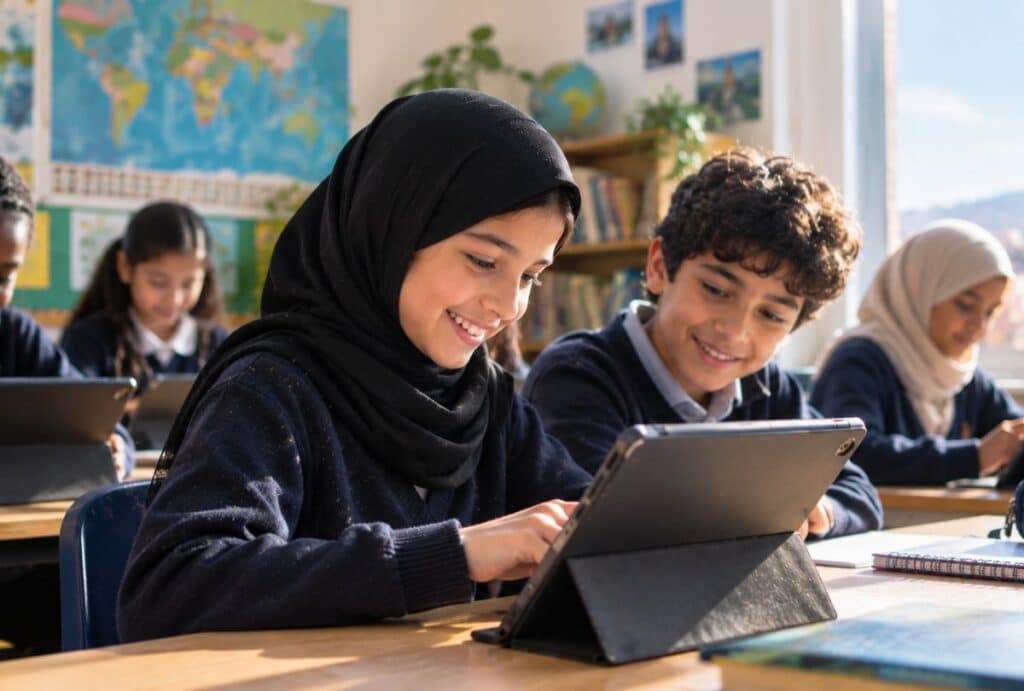
Bridging the Digital Divide Through Education
Explore how technology can make education more accessible and create equal learning opportunities for children. Support digital inclusion and help equip young…
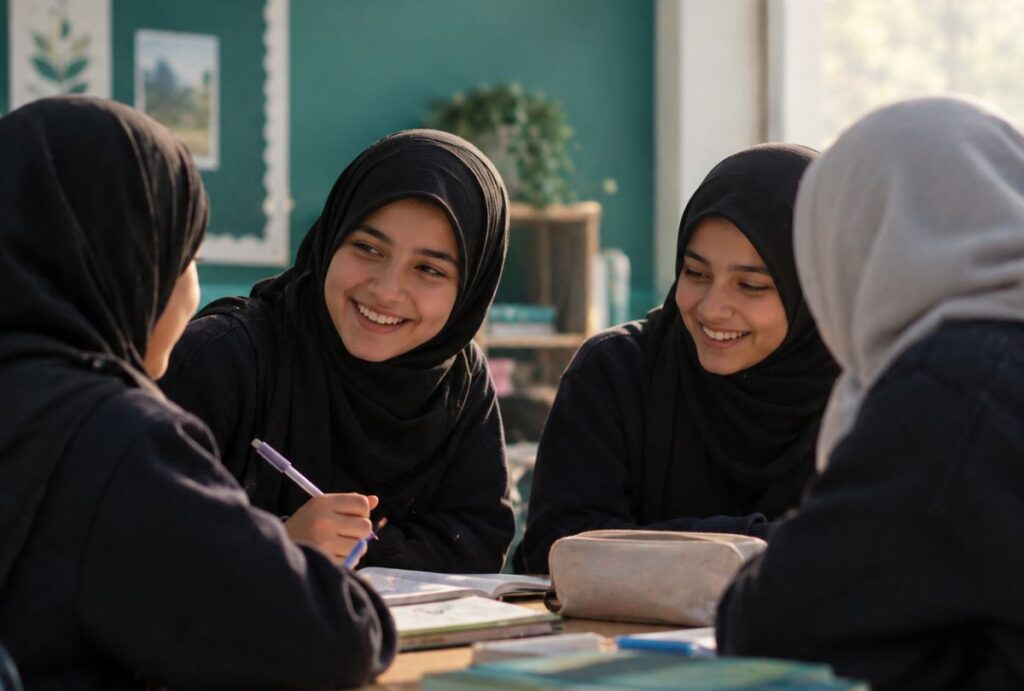
The Future Starts with Education
Help vulnerable children access education, technology and skills for a brighter future. Support The Zahra Trust with a Back to School gift…
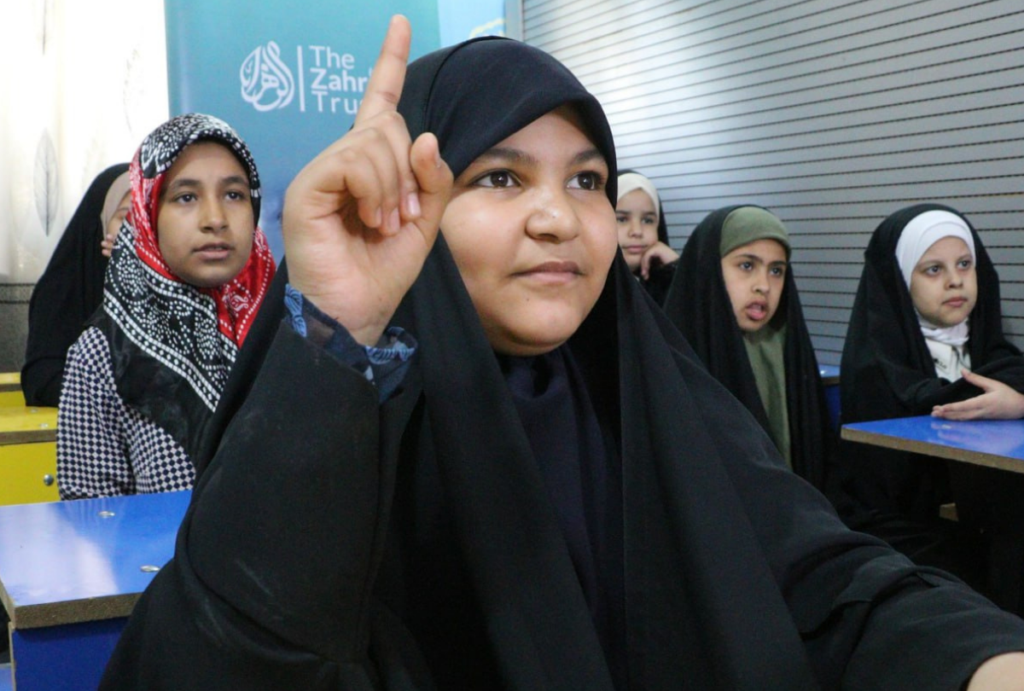
Rebuilding Futures Through Education: Restoring Hope, Dignity and Opportunity
When communities experience crisis, the effects can continue long after the immediate hardship has passed. Conflict, poverty, and displacement can interrupt a…