
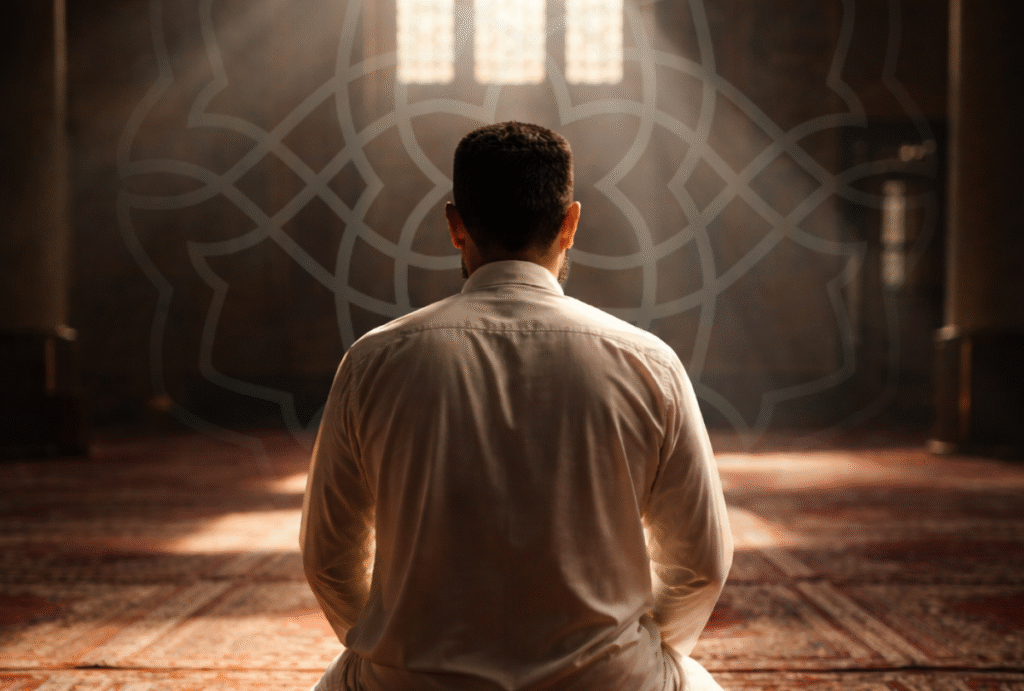
A distracted heart is often a tired heart – not a careless one.
During Ramadan, we expect our prayers to feel deeper. When they don’t, guilt can creep in.
But Islam teaches compassion – even toward ourselves.
Allah (swt) tells us:
“And whoever puts their trust in Allah, He will be enough for them.”
Surah Al-Talaq, Verse 3
Calm the body to calm the heart
Focus doesn’t begin on the prayer mat – it begins with stability. Hunger, sickness, and fear make it harder to be present with Allah (swt).
This is why The Zahra Trust prioritizes food, water, and care. When basic needs are met, space opens for reflection and connection.
Let service become worship
If your focus slips, try grounding yourself through action:
- Feed someone before you pray
- Give with the intention of closeness to Allah (swt)
- Remember the Ahlulbayt (as) through mercy
Service anchors the heart.
Be patient with yourself
Prayer is a journey, not a performance.
Ramadan is about returning – again and again – to Allah (swt).
FAQ
No. It’s a sign you’re human and trying
Unmet needs make focus and peace difficult.
Yes. Caring for others is a form of worship.
No. Maintain consistency, even if focus varies.
Because worship thrives where dignity exists.
By restoring stability so faith has room to grow.
More from Blog

Bridging the Digital Divide Through Education
Explore how technology can make education more accessible and create equal learning opportunities for children. Support digital inclusion and help equip young…

The Future Starts with Education
Help vulnerable children access education, technology and skills for a brighter future. Support The Zahra Trust with a Back to School gift…
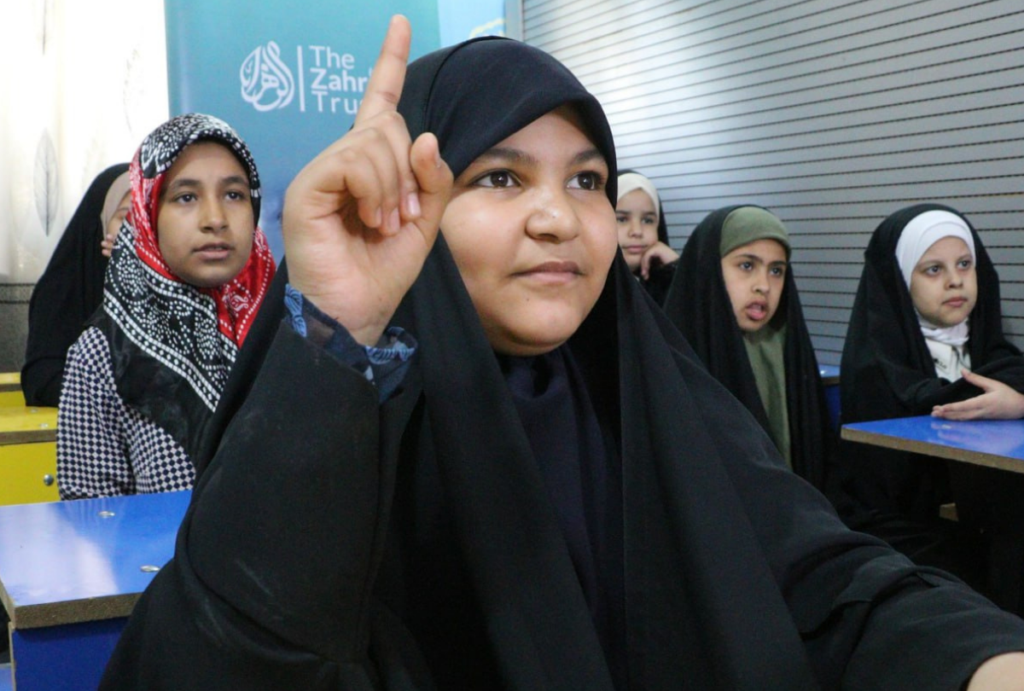
Rebuilding Futures Through Education: Restoring Hope, Dignity and Opportunity
When communities experience crisis, the effects can continue long after the immediate hardship has passed. Conflict, poverty, and displacement can interrupt a…