Who is Buried in Jannat al-Baqi
Jannat al-Baqi is one of the most sacred cemeteries in Islamic history.
Situated in Medina beside Masjid al-Nabawi, it serves as the resting place of many companions of Prophet Muhammad (saww) and several members of the Ahlulbayt (as).
For centuries, Muslims have reflected on the lives of those buried there and the legacy they left through knowledge, faith, and service.
The Quran highlights the importance of honouring the Prophet’s (saww) family:
“(O Muhammad,) Say (to your followers), ‘I do not ask of you any reward for it (i.e., the task of conveying Allah’s swt message to you) except love for my near relatives.'”
Surah Ash-Shuraa Verse 23
Because of this connection, Jannat al-Baqi continues to hold deep meaning for many believers who remember the individuals buried there and the values they represented.
What is Jannat al-Baqi?
Jannat al-Baqi, often referred to simply as Baqi, is the main cemetery of Medina.
Its history dates back to the lifetime of Prophet Muhammad (saww), when it began to be used as a burial ground for members of the early Muslim community.
The cemetery lies next to Masjid al-Nabawi, one of the most important religious sites in Islam.
Due to its location beside the Prophet’s (saww) Mosque, Baqi gradually became the burial place for many companions of the Prophet (saww) as well as members of his family.
Over the centuries, numerous respected figures from early Islamic history were laid to rest there.
Among them are several members of the Ahlulbayt (as), whose knowledge and guidance contributed greatly to the development of Islamic scholarship and spiritual tradition.
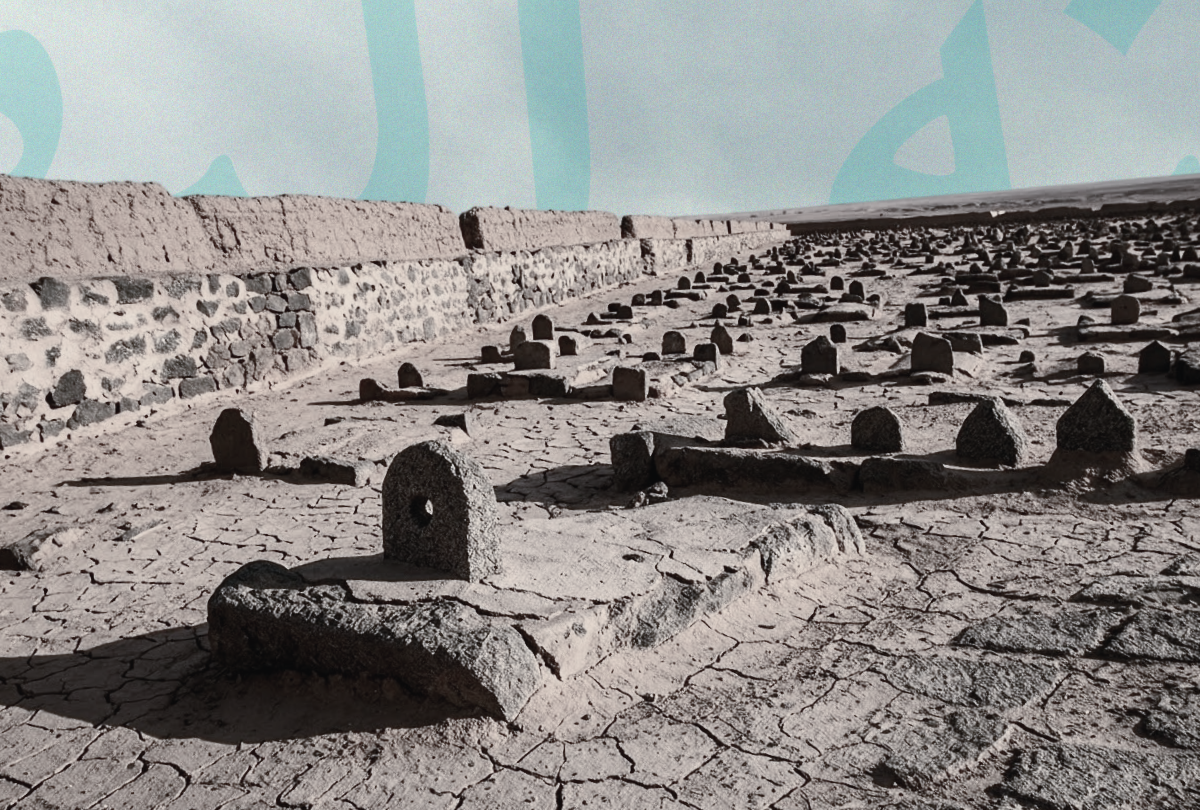
Today, the graves within Jannat al-Baqi are largely unmarked.
Despite this simplicity, the cemetery remains widely respected as a place of remembrance connected to the earliest generations of Islam.
Key Figures from the Ahlulbayt (as) Buried in Jannat al-Baqi
Imam Hassan al-Mujtaba (as): 3 AH-50 AH
In Shia Islam he is recognized as the second Imam and is remembered for his wisdom, patience, and generosity.
During a time of political tension, he initially prepared to confront opposition. However, as support within his ranks weakened and divisions became more evident, he chose to enter into a peace agreement in order to preserve what remained and prevent further bloodshed.
His decision is often seen as an effort to protect the stability of the community and reduce bloodshed.
Historical accounts frequently highlight his generosity and compassion toward others.
Imam Zain al-Abideen (as): 38 AH-95 AH
He lived during a period shaped by the aftermath of the tragedy of Karbala, where many from the Prophet’s (saww) family achieved martyrdom.
Despite these difficult circumstances, Imam Zain al-Abideen (as) devoted his life to worship, teaching, and spiritual reflection.
Also know as Imam Sajjad (as), his life is often associated with humility, patience, and compassion.
He is widely linked with the Sahifa al-Sajjadiyya, a well known collection of supplications attributed to him. These prayers explore themes such as gratitude, justice, mercy, and the human relationship with Allah (swt).
He is also associated with Risalat al-Huqooq (Treatise of Rights), a work outlining the rights and responsibilities individuals have towards Allah (swt), themselves, and others.
Through his teachings and personal example, Imam Sajjad (as) encouraged spiritual awareness and ethical responsibility.
Imam Muhammad al-Baqir (as): 57 AH-114 AH
His title, “al-Baqir,” is often understood to mean “the one who splits open knowledge”.
He lived during a period that allowed greater opportunities for study and discussion.
Imam al-Baqir (as) used this time to teach students about theology, ethics, law, and the teachings preserved within the Ahlulbayt (as) tradition.
Many scholars are said to have benefited from his knowledge and methodical approach to learning.
Imam al-Baqir (as) is remembered as an important contributor to the growth of early Islamic intellectual life.
Imam Ja’far al-Sadiq (as): 83 AH-148 AH
His teachings covered a broad range of subjects, including theology, jurisprudence, ethics, and aspects of natural science.
He is closely associated with the Ja’fari school of jurisprudence, which forms the foundation of legal thought within Shia Islam.
Many students studied with him and later became recognised scholars in their own right.
Imam al-Sadiq (as) emphasized careful reasoning, ethical behaviour, and a deep understanding of religious teachings.
His approach to knowledge helped shape the intellectual traditions that continued after him.
His influence on Islamic scholarship remains significant to this day.
Other Revered Figures Buried in Jannat al-Baqi
Alongside the Imams of the Ahlulbayt (as), several other respected individuals connected to Prophet Muhammad (saww) are traditionally believed to be buried in Jannat al-Baqi.
Abbas ibn Abd al-Muttalib, the uncle of the Prophet (saww), is among those buried there. He was known for his loyalty and support during the early years of Islam.
Fatima bint Asad, the mother of Imam Ali (as), is also buried in Baqi. She is remembered for her strong support of the Prophet (saww) and her respected place within the early Muslim community.
Another figure associated with the cemetery is Ibrahim ibn Muhammad, the young son of the Prophet (saww), who passed away during infancy.
Aqil ibn Abi Talib, the elder brother of Imam Ali (as), is also believed to be buried in Jannat al-Baqi. He was the father of Muslim ibn Aqil (as), who is remembered in Islamic history as the first martyr connected to the events of Karbala.
Because the graves in Baqi are largely unmarked today, many visitors rely on historical references to understand where notable figures are believed to be buried.
A helpful visual reference can be seen in this map of Jannat al-Baqi burial locations.
Such guides provide additional context for those interested in the historical layout of the cemetery and the individuals associated with it.
Why Their Resting Place Matters
For many Muslims, remembering Jannat al-Baqi offers an opportunity to reflect on the lives of individuals who demonstrated faith, knowledge, and moral leadership.
The teachings of the Ahlulbayt (as) continue to influence scholarship, spirituality, and ethical reflection within the global community of Muslims.
Their lives represent dedication to learning, devotion to faith, and commitment to justice.
Imam al-Sadiq (as) has reportedly said:
“He who is not able to do any good unto us (i.e. the Ahlulbayt as) then be may do good to our pious adherents; and he who is not able to visit us, he may visit our righteous followers by which the reward of visiting us (pilgrimage) will be recorded for him.”
Bihar al-Anwar, v.74, p.354
He is also narrated to have said:
“Verily, there are various degrees of serving Allah (saw), but affection (and cordial inclination) for us, Ahlulbayt (as), is the highest one.”
Bihar al-Anwar, v.27, p.91
For many believers, remembering the Ahlulbayt (as) is therefore both a spiritual reflection and an expression of respect for the Prophet’s (saww) family.
Closing Reflection
Jannat al-Baqi remains one of the most meaningful historical sites in Medina.
Although the graves within the cemetery are largely unmarked today, the individuals buried there continue to be remembered for their knowledge, devotion, and character.
Reflecting on the lives of the Ahlulbayt (as) and other early figures associated with Baqi offers a reminder of the values they represented.
Their legacy continues through scholarship, faith, and the traditions that trace back to the Prophet’s (saww) family.
Frequently Asked Questions
Several prominent figures from early Islamic history are buried in Jannat al-Baqi. These include four Imams from the Ahlulbayt (as) tradition: Imam Hassan (as), Imam Sajjad (as), Imam al-Baqir (as), and Imam al-Sadiq (as). Other respected figures such as Abbas ibn Abd al-Muttalib, Fatima bint Asad, and Aqil ibn Abi Talib are also associated with the cemetery.
Jannat al-Baqi is located in Medina in present-day Saudi Arabia. The cemetery is situated beside Masjid al-Nabawi, the mosque established by Prophet Muhammad (saww), making it one of the most historically significant burial sites in Islam.
Jannat al-Baqi contains the graves of many companions of the Prophet (saww) as well as several members of his family. Because of this, it represents an important historical link to the earliest generations of Islam.
Today, most graves in Jannat al-Baqi are unmarked. Even so, the cemetery remains widely recognized as the resting place of many respected figures from Islamic history.
Entry to the cemetery is sometimes permitted at specific times. Visitors often stand near the cemetery and offer prayers while remembering the individuals buried there.
The Ahlulbayt (as) are the family of Prophet Muhammad (saww) and are honoured for their knowledge, character, and dedication to preserving the teachings of Islam. Within Shia Islam, the Imams from the Ahlulbayt (as) are recognized as the guides after the Prophet (saww), continuing his mission through scholarship, moral leadership, and spiritual guidance.