Beyond the Mountains: Mojtaba’s Story from Helmand
For Mojtaba, the road to care was not just long, it was the difference between life and loss.
Mojtaba was eight years old when he lived with his family in Khawi, a remote village high in the mountains of Nawzad District, Afghanistan. Rough roads, limited services, drought, and fragile livelihoods turned daily life into constant uncertainty, and made reaching help feel impossible.
His mother lived for years with chronic kidney disease. But in Khawi, getting to medical care was not a simple journey, it was distance, cost, and roads that could not be relied on. Treatment was never consistently accessible. As her condition worsened, Mojtaba’s mother passed away, leaving behind her four children, including Mojtaba.
After her death, the family moved again, this time to Ab Bazan village in Gereshk District, still remote and underserved. Mojtaba’s father took farm labour work for very low wages to support six family members, but the physical strain contributed to a spinal disc condition that limited his ability to earn. The family lived in a damp, substandard house provided by the landowner, where poor conditions added ongoing health risks. Food insecurity, unstable shelter, and limited access to services meant each week brought new pressure, and grief had no space to soften when survival demanded everything.
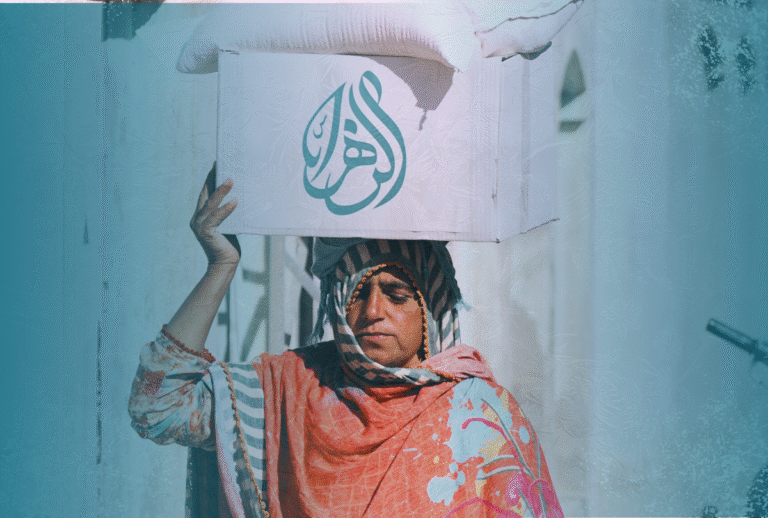
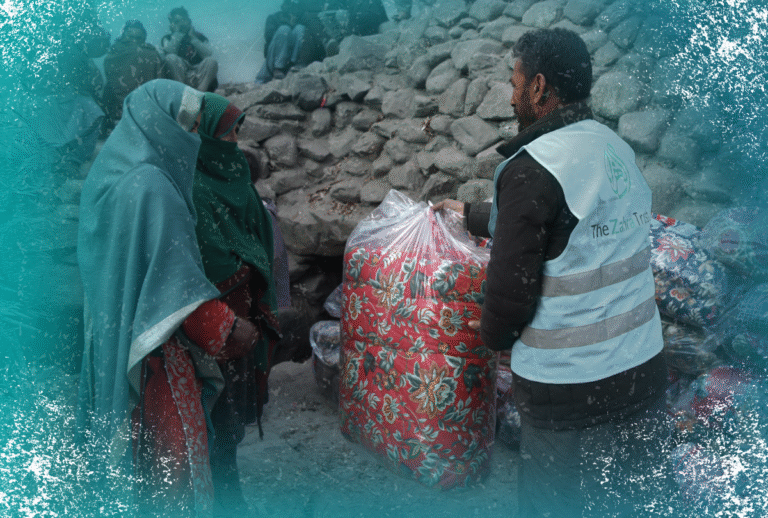
The Zahra Trust reached Mojtaba and his family with a clear aim, to stabilise their home and reduce the daily risks that kept pulling them deeper into hardship. Based on assessed need, support helped the family access a more stable home environment, receive regular food support through meal provision, access medical care, and receive seasonal winter essentials. Financial assistance also helped cover urgent basics at moments when income fell short, so the family did not have to choose between food, shelter, and health.
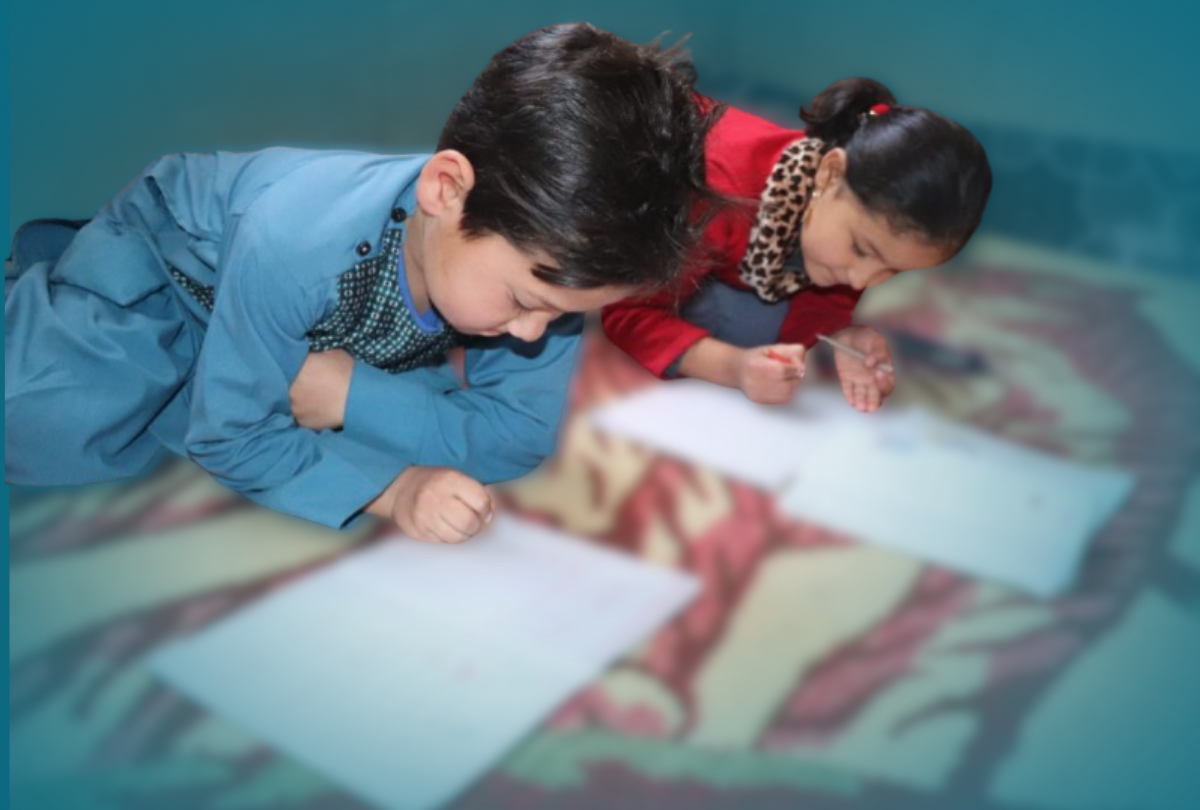
For Mojtaba, this was not one solution, it was the difference between constant crisis and a household that could breathe. Regular food meant fewer days of hunger and fewer decisions about what to cut. Seasonal support meant winter did not become another emergency. Access to medical care meant illness was not something the family had to endure in silence. With pressure eased, Mojtaba had a better chance of staying connected to learning and childhood, rather than being pulled entirely into survival.
This work formed part of a wider effort to reach families in remote parts of Afghanistan, including 47,604 people supported through meals and 6,200 individuals supported with winter essentials. Globally, The Zahra Trust supported 462,983 vulnerable people, with access to medical aid, because distance and poverty should not decide who is seen, and who is left behind.