When humanitarian crises unfold, the immediate priorities are often food, clean water, shelter, and medical care. These forms of assistance save lives and remain essential during emergencies. However, another critical need is frequently overlooked.
Education.
For children living through conflict, displacement, or natural disasters, education is far more than an investment in the future. It is an immediate form of humanitarian aid that offers protection, stability, and hope when life has been turned upside down.
Without access to learning, children face increased risks of child labor, exploitation, trafficking, early marriage, and recruitment by armed groups. Schools do much more than provide lessons. They create safe environments where children can rebuild routines, receive emotional support, and begin imagining a future beyond crisis.
Recognizing education as humanitarian aid means recognizing that protecting a child’s future is just as important as meeting their immediate physical needs.
Safe learning spaces save lives
For children caught in emergencies, daily life can change in an instant. Families may lose their homes, communities may be displaced, and familiar routines can disappear overnight.
Schools help restore a sense of normalcy during these uncertain times. They provide safe places where children can learn, socialize, and connect with trusted adults who are able to recognize and respond to protection concerns.
Educational settings also become important centers for delivering health information, psychosocial support, and other services that strengthen humanitarian efforts.
Children who continue their education during emergencies are often less vulnerable to abuse, violence, and exploitation. While classrooms cannot eliminate the hardships of conflict or disaster, they provide stability that can make an enormous difference during times of uncertainty.
A right that does not end during conflict
A child’s right to education does not disappear because a crisis begins.
The United Nations Convention on the Rights of the Child affirms every child’s right to education, health, protection and development, even during armed conflict. It has transformed the way children are viewed, recognising them not simply as victims of war but as individuals whose rights must continue to be upheld.
The Convention has strengthened advocacy for protecting schools, limiting their military use, and ensuring children continue learning whenever possible.
Despite these legal protections, millions of children remain out of school because of conflict, displacement, and attacks on educational facilities. This ongoing reality demonstrates why education must be treated as an essential humanitarian response alongside other lifesaving interventions.
Knowledge holds a special place in Islam
Education occupies a place of great importance in Islam. Seeking knowledge is encouraged throughout a Muslim’s life because it strengthens both individuals and society.
Allah (swt) says:
This verse highlights the honor that Allah (swt) gives to those who combine faith with knowledge. Education nurtures wisdom, strengthens communities, and enables people to serve others with compassion and understanding.
The Prophet (saww) also emphasized the value of learning. He is reported to have said:
These teachings remind us that supporting education is not only a humanitarian responsibility but also an opportunity to uphold values deeply rooted in our faith.
Education Helps Build Stronger Futures
Humanitarian assistance should do more than help people survive today’s crisis. It should also give them the opportunity to rebuild tomorrow.
Schools also encourage social connection and resilience. They bring children together, rebuild confidence, and help restore hope in communities that have experienced tremendous hardship.
When education is interrupted for extended periods, recovery becomes much more difficult. That is why humanitarian organizations increasingly recognize learning as an investment in both immediate protection and long-term development.
The lasting legacy of the Ahlulbayt (as)
The teachings of the Prophet Muhammad (saww) and the Ahlulbayt (as) consistently emphasize the pursuit of knowledge as a lifelong responsibility.
The Prophet (saww) is reported to have said:
The Ahlulbayt (as) embodied these teachings through their scholarship, wisdom, and commitment to educating others. Imam Ali (as), in particular, became known for sharing knowledge that continues to guide Muslims in matters of faith, justice, and character.
Supporting education reflects this rich Islamic tradition. By helping children gain access to learning, we contribute to knowledge that can positively shape lives, families, and entire communities.
Why humanitarian responses must include education
Emergency aid should never require choosing between saving lives today and protecting futures tomorrow. Both responsibilities go hand in hand.
When education is included in humanitarian responses from the very beginning, children are better protected, families gain renewed hope, and communities are better prepared to recover from adversity.
Providing safe classrooms, trained teachers, school supplies, and opportunities to learn ensures that children are not defined by the crises they experience.
Education is not an optional extra after emergencies have passed. It is one of the foundations upon which recovery, resilience, and lasting opportunity are built.
Every child deserves the chance to learn
Education is about far more than preparing children for exams or future careers. In humanitarian emergencies, it protects lives, restores stability, and gives children the hope that tomorrow can be different from today. Alongside food, shelter, and healthcare, education deserves to be recognized as an essential form of humanitarian aid because it protects both the present and the future.
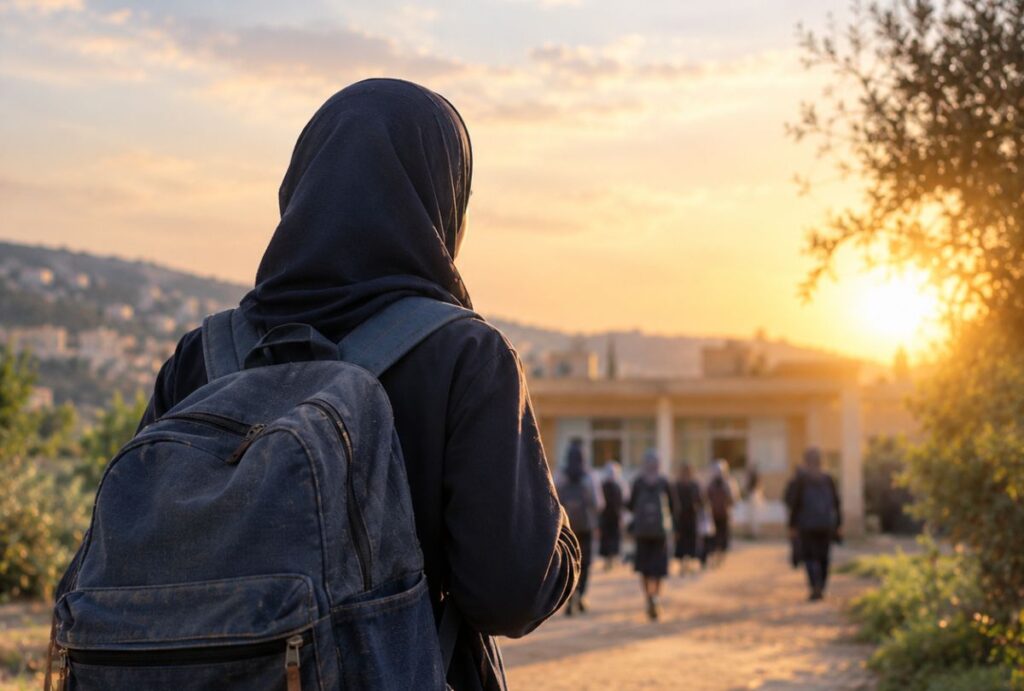
For many children, the greatest obstacle to learning is not a lack of determination but the barriers created by poverty. A backpack, a school uniform, school fees, or a nutritious meal can be the difference between sitting in a classroom and missing out altogether.
Through your support of The Zahra Trust, you can help make that opportunity a reality.
Frequently Asked Questions
Why is education considered humanitarian aid?
Education protects children during emergencies by providing safe spaces, emotional support and opportunities to continue learning. It also reduces risks such as exploitation, child labour and recruitment into armed groups, making it an essential part of humanitarian assistance.
Why is education important during emergencies?
Education creates stability during periods of uncertainty. It helps children regain routine, supports their wellbeing and equips them with knowledge and skills that contribute to long term recovery.
Does international law protect a child’s right to education during conflict?
Yes. The United Nations Convention on the Rights of the Child recognises education as a fundamental right that continues during armed conflict and humanitarian emergencies.
What does Islam teach about seeking knowledge?
Islam places great importance on learning. The Quran and the teachings of the Prophet (saww) encourage Muslims to seek knowledge throughout their lives and recognise education as a means of personal and spiritual growth.
How does education help communities recover after crises?
Families can teach children about Karbala through age-appropriate stories, discussions, activities and by showing how its values apply to kindness, honesty and helping others.
How can I help children access education?
Supporting charities that remove financial barriers to education can help children attend school with the supplies, nourishment and opportunities they need to learn with dignity.
More from Blog
The Future Starts with Education
Help vulnerable children access education, technology and skills for a brighter future. Support The Zahra Trust with a Back to School gift…
Rebuilding Futures Through Education: Restoring Hope, Dignity and Opportunity
When communities experience crisis, the effects can continue long after the immediate hardship has passed. Conflict, poverty, and displacement can interrupt a…
From Backpack to Graduation: The Ripple Effect of Education
Learn how an education donation can help remove barriers to learning and support a child's journey from school towards adulthood. Donate today…