
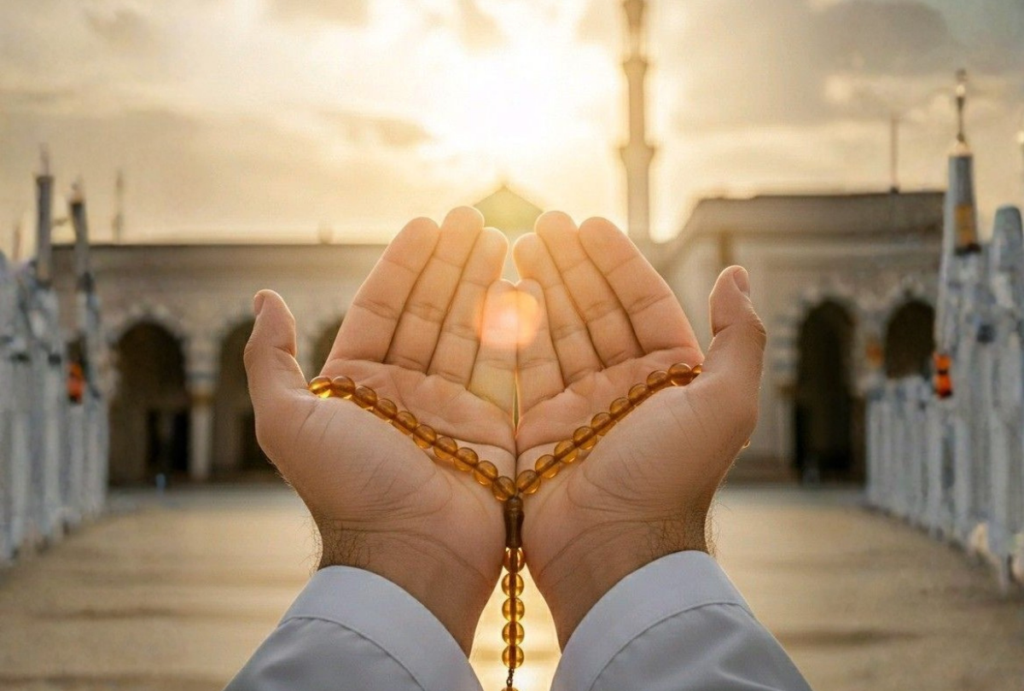
Incorporating daily duas into your routine is a simple way to stay mindful of Allah (swt) throughout the day.
In Shia Islam, dua is more than a request.
It is a form of worship that builds faith, encourages reflection, and brings peace into everyday life.
Even a few consistent moments of supplication can shape how a believer responds to both challenges and blessings.
Spiritual Impact: Strengthening Your Connection with Allah (swt)
Dua helps keep the heart connected to Allah (swt) on a daily basis.
The Quran highlights this closeness in a deeply personal way:
“When My servants ask you about Me, (tell them, O Muḥammad, that) I am (very) near; I answer the prayer of the supplicant when he calls Me. Therefore, they should also answer My call (to obedience) and believe in Me — (hopefully,) they may walk in the right way.”
Surah Al-Baqarah, Ayah 186
This verse reminds believers that Allah (swt) is always near and responsive.
The Prophet (saww) is reported to have said:
“Supplication is the weapon of the believer, the pillar of religion, and the light of the heavens and the earth.”
Al-Kafi, v.2, p.468, n.1)
Together, they show that regular duas are essential in building a strong and sincere relationship with Allah (swt).
Emotional and Mental Benefits of Daily Duas
Daily duas can bring a sense of calm and reassurance, especially during uncertain times.
Turning to Allah (swt) regularly helps reduce stress and strengthens trust.
The Quran states:
“Those who believe and whose hearts are at rest by the remembrance of Allah (swt) — surely by Allah’s (swt) remembrance are the hearts at rest.”
Surah Ar-Ra’d, Ayah 28
This highlights the calming effect of remembrance.
Imam Ali (as) is reported to have said:
“Supplication is the shield of the believer.”
Al-Kafi, v.2, p.468, n.7
This shows that dua offers protection, helping believers remain emotionally steady and spiritually grounded.
The Role of Duas in Shia Devotional Practice
In Shia Islam, duas are closely linked to the teachings of the Prophet (saww) and the Imams (as).
Works such as Sahifa Sajjadiya guide believers in expressing gratitude, needs, and reflection.
Daily supplications often include salawat and remembrance of the Ahlulbayt (as), strengthening a believer’s identity and connection.
Imam Sajjad (as) is reported to have said:
“Supplication repels descended calamities and those which are yet to descend.”
Al-Kafi, v.2, p.469, n.5
This shows that dua is not only reflective but also a means of protection in everyday life.
Incorporating Daily Duas into Your Routine
Making daily duas part of your routine does not have to be difficult.
Even small, consistent efforts can have a lasting impact.
Allah (swt) says:
“Your Lord has said, ‘Call Me (for help), and I will answer you…'”
Surah Ghafir, Ayah 60
This encourages believers to turn to Allah (swt) regularly.
Imam al-Baqir (as) is reported to have said:
“A believer must supplicate to Allah (swt) in times of ease the same way that he supplicates to Allah (swt) in times of difficulty.”
Al-Kafi, v.2, p.488, n.1
By including short duas throughout the day, such as after prayers or before sleep, consistency becomes easier to maintain.
Examples of Daily Duas to Include in Your Routine
To help make daily duas more practical, they can be organized into simple categories.
Group 1: Duas for Daily Consistency
These duas help maintain regular remembrance of Allah (swt):
These provide structure and allow moments of reflection throughout the day.
Group 2: Duas to Remember Imam al-Mahdi (ajtfs)
Remembering Imam al-Mahdi (ajtfs) is an important part of daily spiritual life.
These duas help strengthen that connection:
- Dua al-Ahad (recited every morning as a pledge of allegiance to him)
- Dua al-Faraj (recited to ask for immediate help from him)
- Dua al-Hujjat (recited for his protection)
Reciting these regularly nurtures hope, awareness, and a sense of purpose.
Long-Term Impact on Character and Faith
Over time, daily duas help shape a believer’s character.
They build patience, humility, and gratitude.
Regular supplication reminds a person to rely on Allah (swt) in all situations.
Imam Hassan (as) is reported to have said:
“Allah (swt) has never opened the door of request for anyone only to hold back the door of response.”
Bihar al-Anwar, v.78, p.113, n.7
This encourages believers to remain hopeful and consistent, trusting that every sincere dua is heard.
Final Reflections
Incorporating daily duas into your routine brings both spiritual and emotional benefits.
It strengthens your connection with Allah (swt), builds resilience, and adds purpose to everyday life.
With consistency and sincerity, even simple duas can lead to lasting growth and inner peace.
Frequently Asked Questions
Simple daily duas can include brief supplications after prayers, morning and evening duas, or personal prayers in your own words to stay mindful of Allah (swt) throughout the day.
They help strengthen a believer’s relationship with Allah (swt), provide guidance, and support a more mindful daily routine.
Yes, even short duas can be meaningful when recited with sincerity and consistency.
Duas can be made at any time, though after prayers, early morning, and before sleep are especially recommended.
Yes, regular supplication can bring comfort and help reduce stress by reminding believers of Allah’s (swt) presence.
While recommended duas are beneficial, personal supplications in your own words are also valuable.
More from Blog

Bridging the Digital Divide Through Education
Explore how technology can make education more accessible and create equal learning opportunities for children. Support digital inclusion and help equip young…

The Future Starts with Education
Help vulnerable children access education, technology and skills for a brighter future. Support The Zahra Trust with a Back to School gift…
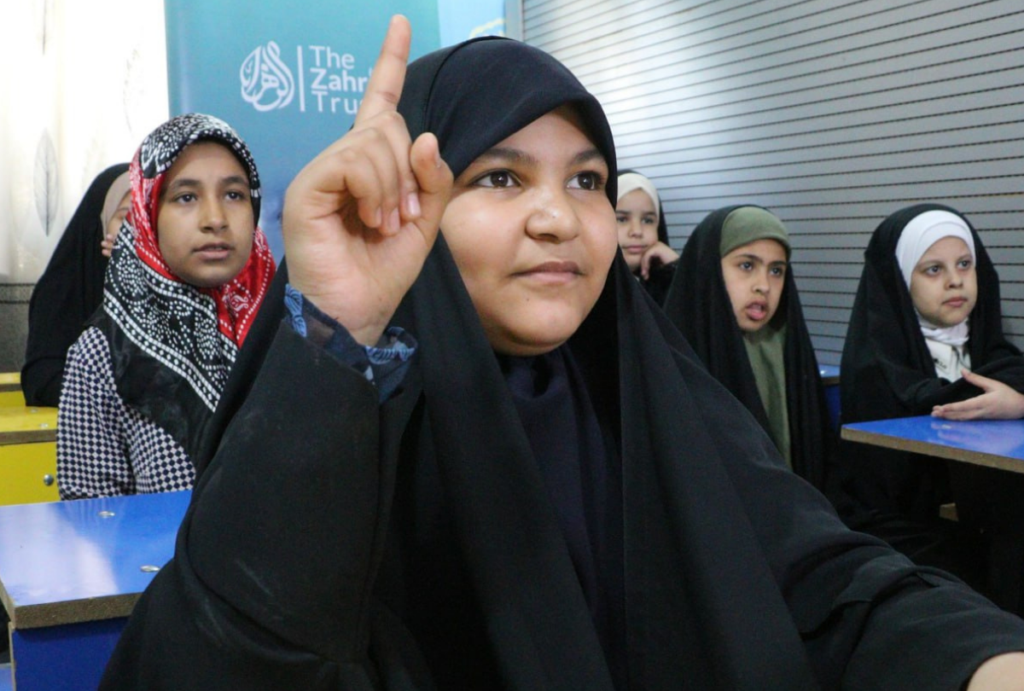
Rebuilding Futures Through Education: Restoring Hope, Dignity and Opportunity
When communities experience crisis, the effects can continue long after the immediate hardship has passed. Conflict, poverty, and displacement can interrupt a…