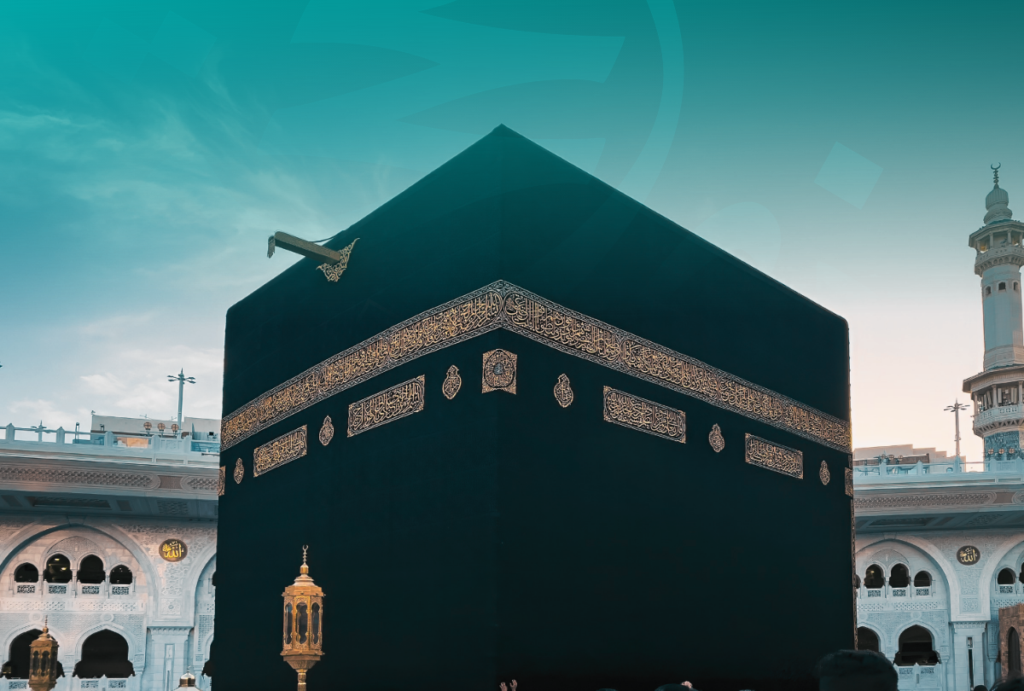
The first ten days of Dhul Hijjah remind us that sincere actions matter deeply to Allah (swt).
In these blessed days, giving charity is more than helping others – it becomes an act of devotion, gratitude, and faith.
For many families around the world, your donation could mean food on the table, clean water, medical support, or safety during hardship.
And for you, it may become one of the deeds that stays with you forever.
A powerful Quranic reminder
Allah (swt) says:
“The example of those who spend their wealth in the way of Allah is like a seed that grows seven spikes.”
Surah Al-Baqarah, Ayah 261
The rewards of charity continue to grow beyond what we can imagine.
Why these days inspire Muslims to give
The first ten days of Dhul Hijjah are beloved to Allah (swt). Every prayer, act of worship, and charitable deed carries greater significance.
That is why many Muslims choose these sacred days to support causes that reflect the teachings of the Ahlulbayt (as).
Charity changes more than the life of the receiver. It changes the giver too.
It reminds us to be grateful. It softens our hearts. It reconnects us with our purpose and responsibilities toward humanity.
These days won’t last forever.
But the rewards of what you do in them can.
This Dhul Hijjah, give with sincerity, give with hope, and give knowing Allah (swt) sees every act of kindness.
Support The Zahra Trust and help bring relief to those who need it most.
FAQs
Dhul Hijjah is one of the holiest months in Islam, especially the first ten days, which are filled with opportunities for worship and charity.
Charity during these blessed days carries multiplied spiritual rewards and helps support vulnerable communities.
The Zahra Trust supports people affected by poverty, famine, conflict, and humanitarian crises worldwide.
Yes. Many Muslims donate on behalf of loved ones, including deceased family members.
You can give Sadaqah, sponsor water projects, feed families, support orphans, or contribute to emergency relief.
Charity reflects the teachings and example of the Ahlulbayt (as), who consistently cared for the poor and vulnerable.
More from Blog
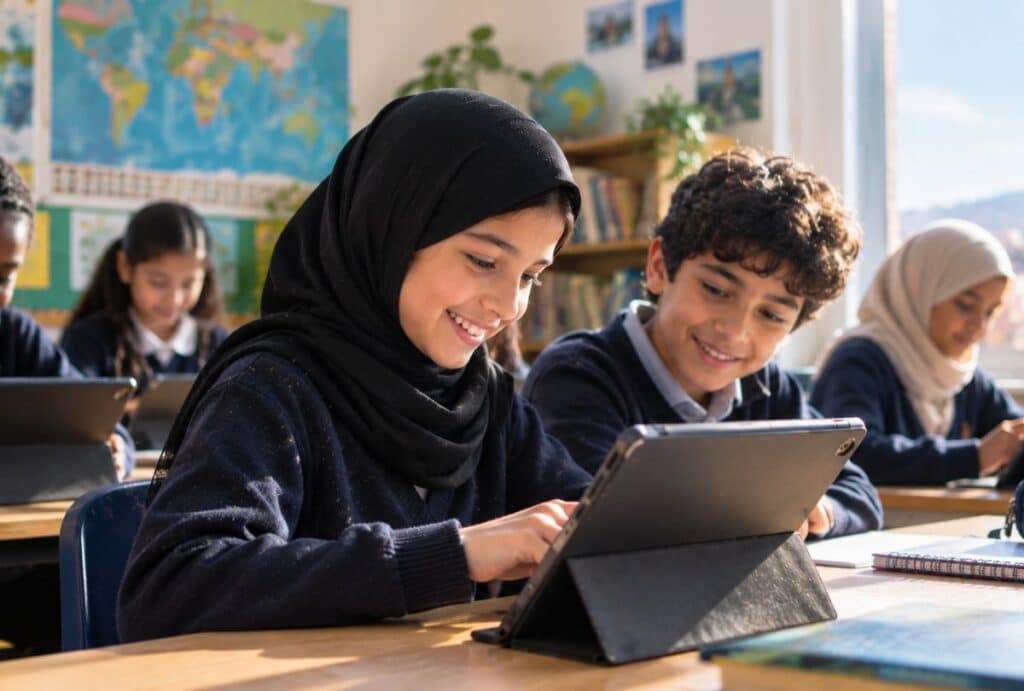
Bridging the Digital Divide Through Education
Explore how technology can make education more accessible and create equal learning opportunities for children. Support digital inclusion and help equip young…
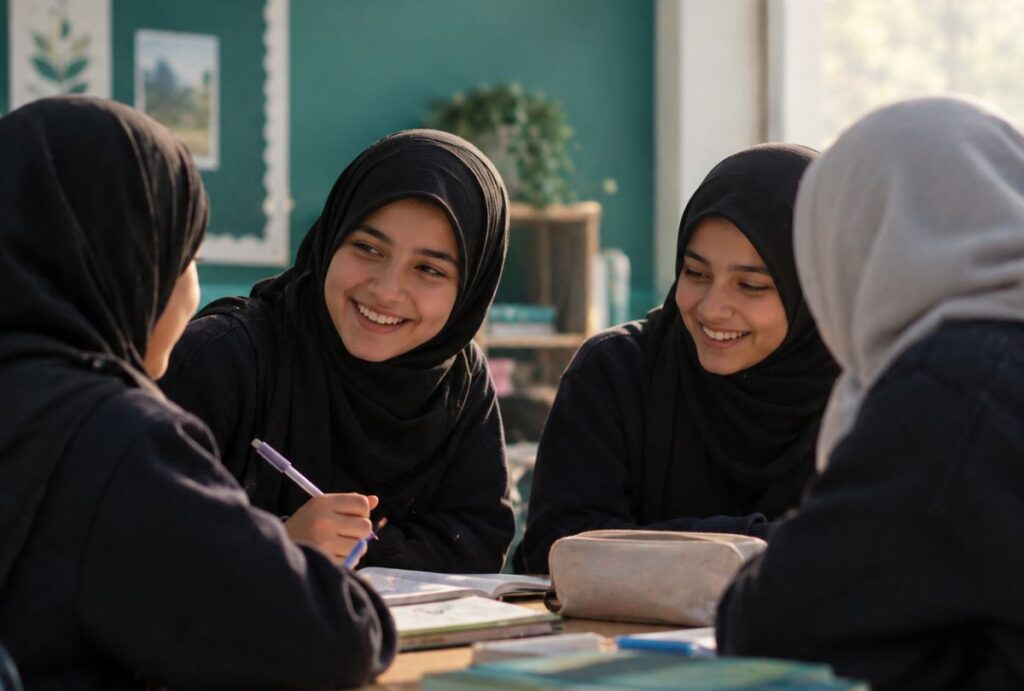
The Future Starts with Education
Help vulnerable children access education, technology and skills for a brighter future. Support The Zahra Trust with a Back to School gift…
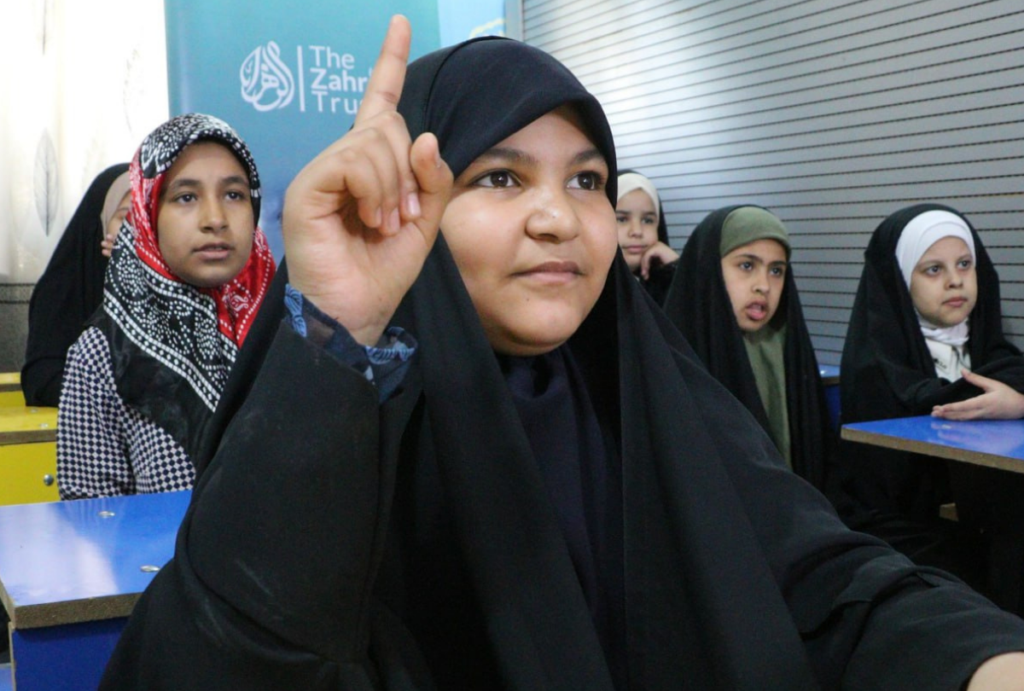
Rebuilding Futures Through Education: Restoring Hope, Dignity and Opportunity
When communities experience crisis, the effects can continue long after the immediate hardship has passed. Conflict, poverty, and displacement can interrupt a…